Introduction
As the demand for sustainable living continues to grow, homeowners are looking beyond beautiful designs and focusing on environmentally responsible construction. Choosing eco-friendly building materials not only reduces the environmental impact of a home but also improves energy efficiency, indoor air quality, and long-term durability.
Sustainable construction is about making smart choices that conserve natural resources, reduce waste, and create healthier living spaces. Whether you’re building your dream home or planning a renovation, selecting the right materials can make a significant difference.
At Divinehouse, we believe that building green today creates a better tomorrow. Here are the top 10 eco-friendly building materials that contribute to stronger, smarter, and more sustainable homes.
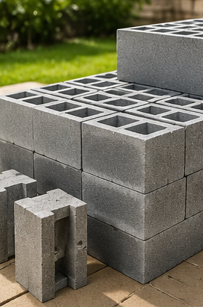
1. Solid Concrete Blocks
Solid concrete blocks are an environmentally friendly alternative to traditional clay bricks. They are manufactured using cement, aggregates, and water, requiring fewer natural resources than kiln-fired bricks.
Benefits:
- Excellent structural strength
- Better thermal insulation
- Faster construction
- Reduced material wastage
- Long-lasting durability
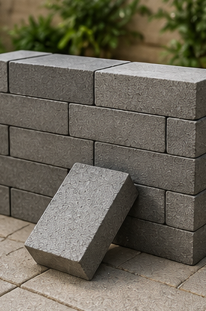
2. Fly Ash Bricks
Fly ash bricks are made using fly ash, a by-product of thermal power plants, reducing industrial waste while conserving natural clay.
Benefits:
- Lightweight yet strong
- Uniform size and shape
- Lower water absorption
- Better finish requiring less plaster
- Environmentally responsible
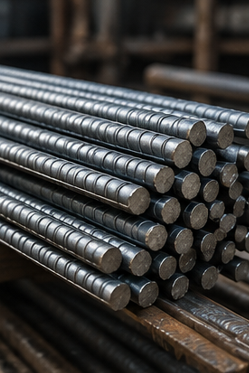
3. Recycled Steel
Steel is one of the most recyclable construction materials. Using recycled steel reduces mining activities and lowers energy consumption during manufacturing.
Benefits:
- High strength
- Long lifespan
- Resistant to pests
- Fully recyclable
- Reduces construction waste
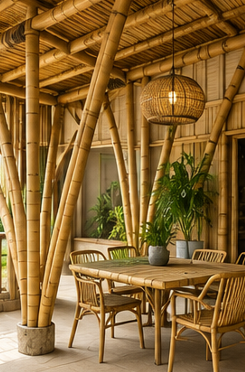
4. Bamboo
Bamboo is one of the fastest-growing renewable materials available and is increasingly used in sustainable architecture.
Benefits:
- Rapidly renewable
- Strong and flexible
- Attractive natural appearance
- Suitable for interiors, ceilings, and decorative elements
- Low carbon footprint
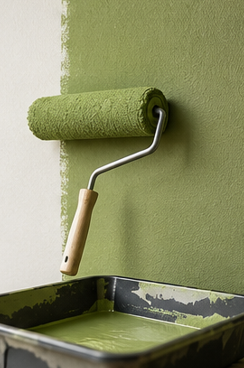
5. Low-VOC Paints
Traditional paints release harmful chemicals known as Volatile Organic Compounds (VOCs). Low-VOC paints improve indoor air quality while providing excellent finishes.
Benefits:
- Healthier indoor environment
- Reduced air pollution
- Minimal odour
- Safe for children and elderly residents
- Long-lasting colour performance
6. Sustainable Wood
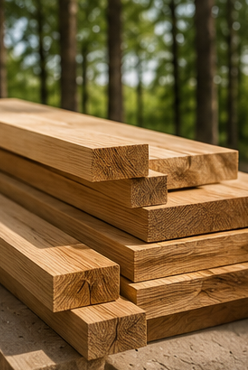
Wood sourced from responsibly managed forests is a renewable building material that combines beauty with sustainability.
Benefits:
- Renewable resource
- Natural insulation
- Elegant appearance
- Lower environmental impact
- Durable when properly maintained
7. Recycled Glass
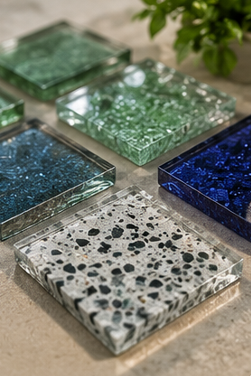
Recycled glass is widely used for countertops, tiles, decorative walls, and flooring.
Benefits:
- Reduces landfill waste
- Attractive modern finish
- Easy maintenance
- Highly durable
- Available in various colours and textures
8. Energy-Efficient Insulation
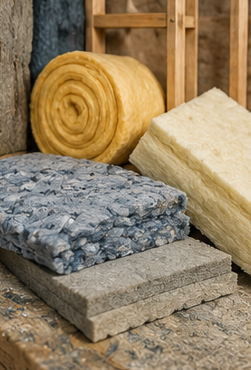
Proper insulation reduces the need for excessive heating and cooling, making homes more energy-efficient.
Common eco-friendly insulation materials include:
- Cellulose
- Mineral wool
- Recycled cotton
- Natural wool
Benefits:
- Lower electricity bills
- Improved indoor comfort
- Reduced carbon emissions
- Better sound insulation
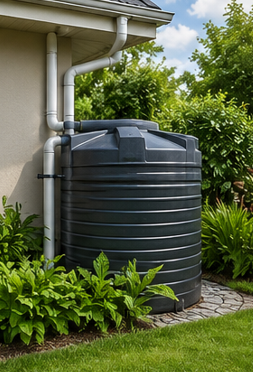
9. Rainwater Harvesting Systems
Although not a building material, rainwater harvesting is an essential feature of sustainable homes.
Collected rainwater can be used for:
- Gardening
- Cleaning
- Toilet flushing
- Groundwater recharge
Benefits:
- Conserves water
- Reduces dependency on municipal supply
- Supports sustainable living
- Lowers water bills
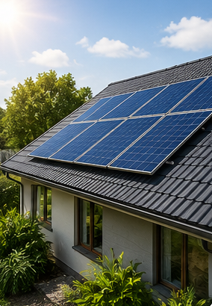
10. Solar-Ready Roofing
Planning your roof for future solar panel installation makes your home energy-efficient and future-ready.
Benefits:
- Lower electricity costs
- Renewable energy generation
- Increased property value
- Reduced environmental impact
- Long-term savings
Why Eco-Friendly Materials Matter
Sustainable building materials offer benefits beyond protecting the environment.
They help homeowners enjoy:
- Lower maintenance costs
- Improved indoor air quality
- Greater energy efficiency
- Better thermal comfort
- Longer building lifespan
- Reduced environmental footprint
- Higher property value
Investing in green construction today leads to healthier homes and lower operating costs for years to come.
How Divinehouse Builds Sustainable Homes
At Divinehouse, sustainability is integrated into every stage of construction. We focus on:
- Quality construction materials
- Efficient structural design
- Rainwater harvesting provisions
- Energy-efficient planning
- Durable waterproofing systems
- Waste reduction during construction
- Smart space utilisation
Our goal is to build homes that are not only beautiful but also environmentally responsible and cost-effective to maintain.
Conclusion
Choosing eco-friendly building materials is an investment in your family’s future and the planet. From durable solid blocks and recycled steel to rainwater harvesting and solar-ready roofing, every sustainable choice contributes to a stronger, healthier, and more energy-efficient home.
At Divinehouse, we’re committed to delivering homes that combine quality craftsmanship with sustainable construction practices. By building responsibly today, we create homes that stand the test of time while protecting the environment for future generations.
Frequently Asked Questions (FAQs)
1. What are eco-friendly building materials?
Eco-friendly building materials are products that have a lower environmental impact, use fewer natural resources, generate less waste, and improve the sustainability of a building.
2. Are sustainable building materials more expensive?
Some materials may have a slightly higher initial cost, but they often reduce maintenance, energy, and repair expenses over the long term, making them cost-effective.
3. Which eco-friendly material is best for house construction?
The ideal choice depends on your project, but solid concrete blocks, fly ash bricks, recycled steel, and sustainable insulation are among the most popular options for durable, energy-efficient homes.
4. Can eco-friendly materials improve indoor comfort?
Yes. Materials such as quality insulation, low-VOC paints, and sustainable wood improve air quality, regulate indoor temperatures, and create a healthier living environment.
5. How do rainwater harvesting and solar-ready roofing support sustainability?
Rainwater harvesting conserves water by collecting and reusing rainwater, while solar-ready roofing allows homeowners to install solar panels easily, reducing electricity consumption and environmental impact.
6. Are eco-friendly homes durable?
Absolutely. When designed and constructed correctly, sustainable homes are just as durable as conventional homes and often require less maintenance over their lifetime.
7. How can Divinehouse help build a sustainable home?
Divinehouse incorporates quality materials, efficient planning, waterproofing, rainwater harvesting provisions, and energy-conscious design to create homes that are durable, environmentally responsible, and built for the future.