Lighting plays a major role in making a house feel comfortable, functional, and visually appealing. The right lighting can make rooms look spacious, highlight interior details, improve visibility, and create a welcoming atmosphere. However, achieving the perfect lighting balance requires more than choosing attractive light fixtures.
Natural light comes from the sun and enters your home through windows, skylights, balconies, and other openings. Artificial light comes from electrical sources such as ceiling lights, pendant lights, wall lights, and lamps.
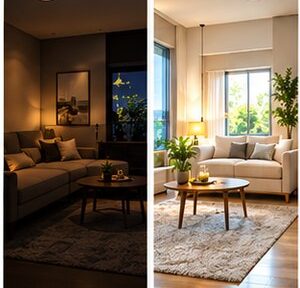
Both have unique benefits, and neither should be overlooked when planning a new home. The key is to design your spaces so that natural light is used effectively during the day and artificial lighting provides the right illumination whenever sunlight is insufficient.
In this blog, we explore the differences between natural and artificial light and explain how to plan both for a bright, comfortable, and energy-efficient home.
https://youtube.com/@divinehouseofficial?si=jRtAqIuH0LOI4BRc
1. What Is Natural Light?
Natural light is daylight that enters your home from the outdoors. Its availability and intensity change throughout the day depending on the sun’s position, weather, building orientation, window size, and surrounding structures.
Common ways to bring natural light into a home include:
- Large windows positioned appropriately for the site
- Glass doors opening onto balconies or courtyards
- Skylights and roof windows where suitable
- Open layouts that allow daylight to travel between spaces
- Light-coloured interior finishes that reflect daylight
- Internal courtyards and thoughtfully placed openings
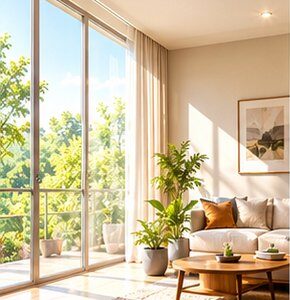
Benefits of Natural Light
Creates a brighter atmosphere: Daylight can make rooms feel open, inviting, and visually comfortable.
Supports everyday well-being: Exposure to daylight helps regulate the body’s circadian rhythm, especially when combined with a consistent daily routine.
Can reduce daytime electricity use: Well-planned daylight may reduce the need to switch on electric lights during daylight hours.
Enhances interior colours and textures: Natural light can reveal the appearance of flooring, furniture, wall colours, and decorative finishes.
Makes spaces feel more connected to the outdoors: Windows and glazed openings can provide views of gardens, balconies, and surrounding landscapes.
However, excessive sunlight can cause glare, overheating, and fading of some furnishings. Natural light should therefore be planned along with shading, ventilation, privacy, and thermal comfort.
2. What Is Artificial Light?
Artificial lighting is produced by electrical fixtures and lamps. Unlike daylight, it can be switched on when needed and selected to provide a particular brightness, colour temperature, or visual effect.
Common artificial lighting options include:
- LED ceiling lights and recessed downlights
- Pendant lights above dining tables or kitchen islands
- Task lights for reading, studying, and cooking
- Wall lights and decorative fixtures
- Cove lighting and concealed LED strips
- Floor lamps and table lamps
- Outdoor pathway, garden, and security lights
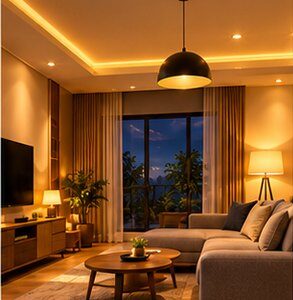
Benefits of Artificial Light
Provides consistent illumination: Artificial lighting helps you use rooms after sunset and during cloudy weather.
Supports specific activities: Task lighting improves visibility for cooking, reading, working, and other detailed activities.
Creates different moods: Warm, neutral, and cool light can produce different visual effects depending on the room and its purpose.
Highlights architectural features: Accent lighting can draw attention to artwork, textured walls, display shelves, and design details.
Improves safety: Appropriate lighting around staircases, corridors, entrances, and outdoor pathways can help people move around more safely.
Artificial lighting should be planned carefully to avoid excessive brightness, harsh shadows, glare, and unnecessary energy consumption.
3. Natural Light vs Artificial Light: Key Differences
| Factor | Natural Light | Artificial Light |
|---|---|---|
| Source | Sunlight and daylight | Electrical lighting fixtures |
| Availability | Changes with time and weather | Available whenever powered |
| Energy use | Can reduce daytime lighting demand | Uses electricity |
| Brightness control | Managed through orientation, shading, and window treatments | Managed through fixture selection, dimmers, and controls |
| Colour appearance | Changes throughout the day | Depends on the selected light source |
| Design role | Connects interiors with the outdoors | Provides functional, ambient, and accent illumination |
| Main challenges | Glare, heat gain, privacy, and uneven daylight | Electricity use, glare, shadows, and fixture placement |
The best lighting design combines the advantages of both rather than relying entirely on one source.
4. Plan Natural Light During the Design Stage
Natural lighting should be considered before construction begins. Window positions and sizes can be difficult or expensive to change once the structure is complete.
Consider the Building Orientation
Study how sunlight reaches the plot throughout the day. In India, orientation should be evaluated alongside local climate, surrounding buildings, room usage, and the position of the sun across seasons.
For homes in Bengaluru and Mysuru, consider how morning and afternoon sunlight enters each room and whether direct sun could make certain spaces uncomfortably warm.
Choose Window Sizes Carefully
Larger windows can bring more daylight into a room, but bigger is not always better. Window size should be balanced with heat gain, privacy, ventilation, structural requirements, and energy efficiency.
Avoid Blocking Daylight
Tall storage units, heavy curtains, oversized furniture, and poorly positioned partitions can reduce the amount of daylight reaching the centre of a room.
Keep window areas reasonably clear and consider layouts that allow light to reach deeper into the space.
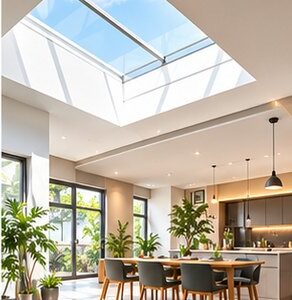
Consider Skylights and Courtyards
Skylights and internal courtyards may help brighten areas that have limited access to exterior windows. Their suitability depends on the roof design, waterproofing, heat control, maintenance, and structural requirements.
5. Plan Artificial Lighting in Layers
A well-designed home should not depend on a single ceiling light in every room. Layered lighting combines different types of illumination to improve both functionality and appearance.
Ambient Lighting
Ambient lighting provides the general illumination needed to move around and use a room comfortably. Examples include ceiling lights, recessed downlights, and suitable indirect lighting.
Task Lighting
Task lighting illuminates areas used for specific activities. Examples include under-cabinet lights in kitchens, desk lamps in study areas, bedside reading lights, and mirror lighting.
Accent Lighting
Accent lighting highlights particular features, such as artwork, textured walls, display units, and architectural details. Wall washers and concealed LED strips can be useful options.
Combining these layers allows you to adjust lighting to different activities without making the entire room unnecessarily bright.
6. Room-by-Room Lighting Planning
Different rooms have different lighting needs. Plan natural and artificial light according to how each space will be used.
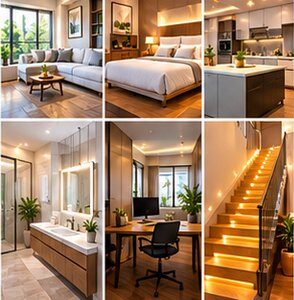
Living Room
Use windows and balcony doors to introduce daylight while considering glare on television screens. Combine ambient lighting with floor lamps, wall lights, or accent lighting to create a comfortable atmosphere in the evening.
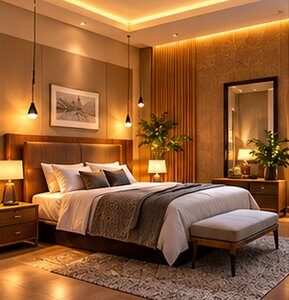
Bedroom
Plan windows to provide suitable daylight and privacy. Use general lighting for everyday activities, bedside lights for reading, and optional dimmable fixtures for a relaxing evening environment.
Kitchen
Natural light can make the kitchen feel open, but countertops and cooking areas also need reliable task lighting. Consider under-cabinet lights, appropriate ceiling fixtures, and dedicated illumination around the sink and preparation areas.
Bathroom
Use windows or suitable skylights where privacy, ventilation, waterproofing, and safety requirements can be addressed. Provide appropriate lighting around mirrors and general bathroom areas using fixtures rated for their installation environment.
Study Room or Home Office
Position the desk to benefit from daylight while avoiding glare on screens. Add adjustable task lighting so you can work comfortably during evenings and on cloudy days.
Staircases and Corridors
Natural light can brighten these areas when suitable openings are available. Artificial lighting should provide consistent visibility, especially at steps, changes in level, and turns.
7. Choose the Right Colour Temperature
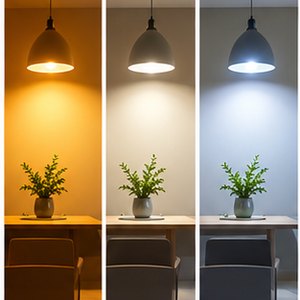
The colour temperature of artificial lighting affects how a room looks and feels. It is measured in kelvin (K).
- Warm white (approximately 2700–3000 K): Often suitable for bedrooms, living rooms, and relaxing spaces.
- Neutral white (approximately 3500–4000 K): Can work well in kitchens, bathrooms, and multipurpose areas.
- Cooler white (approximately 5000 K and above): May suit certain task-oriented applications, depending on the visual requirements and personal preference.
These are general guidelines rather than strict rules. Consistency between adjoining spaces is often more important than choosing a different colour temperature for every room.
Also consider colour rendering, which affects how accurately light reveals colours. A high colour-rendering light source can be useful in kitchens, dressing areas, and spaces where accurate colour appearance matters.
8. Use Window Treatments to Control Sunlight
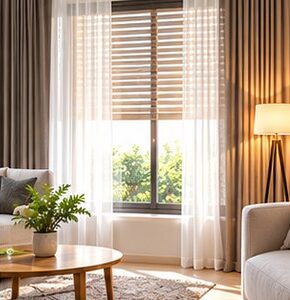
Curtains, blinds, and external shading help manage natural light without completely blocking it.
Consider:
- Sheer curtains for soft daylight and daytime privacy where appropriate
- Blackout curtains for bedrooms where darkness is important
- Adjustable blinds for controlling sunlight and glare
- External shading devices to reduce direct solar heat gain
- Suitable glazing to balance daylight, privacy, and thermal performance
The right choice depends on window orientation, climate, room use, and the amount of direct sunlight received.
9. Combine Lighting with Interior Colours and Materials
Wall colours, flooring, ceilings, and furniture influence how light is distributed throughout a room.
Light-coloured walls and ceilings generally reflect more light, helping spaces feel brighter. Darker finishes absorb more light and may require additional illumination.
Glossy surfaces can reflect light strongly, sometimes creating unwanted glare. Matte or satin finishes may provide a more balanced appearance depending on the material.
Before finalising your interior colours, consider how they appear in both daylight and artificial light. A paint colour that looks attractive in a showroom may appear different in your home’s actual lighting conditions.

10. Improve Energy Efficiency Through Lighting Design
Combining natural and artificial lighting can help reduce unnecessary electricity consumption.
Here are practical ways to improve lighting efficiency:
- Maximise useful daylight without introducing excessive heat.
- Choose energy-efficient LED fixtures.
- Use task lighting instead of illuminating an entire room unnecessarily.
- Install dimmers where compatible with the selected fixtures.
- Consider occupancy sensors in suitable areas.
- Use daylight sensors or automated controls where appropriate.
- Switch off lights in unoccupied rooms.
- Select lighting levels according to the activities performed in each space.
Good lighting design should provide adequate illumination while avoiding unnecessary brightness and energy use.
11. Common Lighting Planning Mistakes to Avoid
Even an attractive home can feel uncomfortable if its lighting has not been planned properly.
Avoid these common mistakes:
Depending only on ceiling lights: A single lighting source may leave corners dark and create harsh shadows.
Ignoring natural light during construction: Poor window placement can make rooms depend heavily on artificial lighting during the day.
Placing windows without considering glare: Direct sunlight may create uncomfortable conditions for reading, working, or watching television.
Choosing fixtures based only on appearance: Decorative lights should also provide suitable illumination for the room.
Using inconsistent colour temperatures: Large differences between adjacent fixtures can make the lighting feel visually disconnected.
Ignoring furniture placement: Beds, cupboards, curtains, and other furniture can block daylight or interfere with lighting controls.
Forgetting outdoor lighting: Entrances, balconies, parking areas, and pathways may need suitable illumination for visibility and security.
Making lighting decisions too late: Late changes can lead to extra wiring work, fixture relocation, and avoidable expenses.
12. Why Lighting Should Be Planned Before Construction
Lighting planning is most effective when it is coordinated with architectural drawings, electrical layouts, furniture arrangements, and interior design.
Planning early helps you decide:
- Window sizes and positions
- Electrical points and switch locations
- Ceiling designs and lighting fixtures
- Kitchen and bathroom task lighting
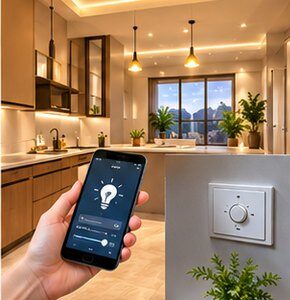
- Smart lighting and dimmer provisions
- Outdoor lighting and security requirements
- Energy-efficient lighting controls
It also helps coordinate lighting with air-conditioning units, false ceilings, wardrobes, and other building services.
Working with qualified professionals can help ensure that the final design meets applicable electrical safety requirements and suits the home’s layout.
Conclusion
Natural light and artificial light serve different but complementary purposes. Natural light can brighten interiors, connect rooms with the outdoors, and reduce daytime lighting demand. Artificial light provides reliable illumination, supports specific activities, and creates atmosphere after sunset.
The best results come from planning both together. Consider building orientation, window placement, shading, interior finishes, layered lighting, colour temperature, and energy efficiency before construction begins.