A well-organized kitchen is not just about having enough cabinets—it is about using every inch of available space intelligently. Whether you have a compact apartment kitchen, a modern modular kitchen, or a spacious independent home, the right storage solutions can make cooking easier, keep countertops clutter-free, and improve the overall look of your kitchen.
With thoughtful planning, even a small kitchen can feel spacious, functional, and organized. Here are some practical kitchen storage ideas to maximize space without compromising on style.
https://youtube.com/@divinehouseofficial?si=jRtAqIuH0LOI4BRc
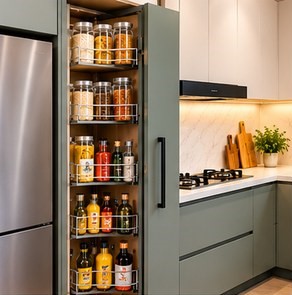
1. Make the Most of Vertical Space
One of the easiest ways to increase kitchen storage is to use the vertical space between your countertop and ceiling.
Install tall cabinets or overhead storage units for items that are not used every day, such as serving dishes, extra cookware, festive utensils, and appliances.
For kitchens with high ceilings, extending cabinets closer to the ceiling can also eliminate unused gaps where dust tends to collect.
Tip: Keep frequently used items at eye level and reserve the highest shelves for occasional-use items.
2. Choose Drawers Instead of Deep Cabinets
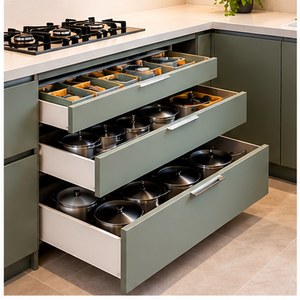
Deep cabinets can sometimes make it difficult to find items stored at the back. Large drawers provide better visibility and allow you to access everything easily.
Consider using different drawer sizes for:
- Cutlery
- Cooking utensils
- Pots and pans
- Plates and bowls
- Kitchen accessories
- Food containers
Deep drawers are particularly useful for storing heavy cookware because everything can be pulled out instead of having to reach into the back of a cabinet.
3. Use Corner Cabinets Efficiently
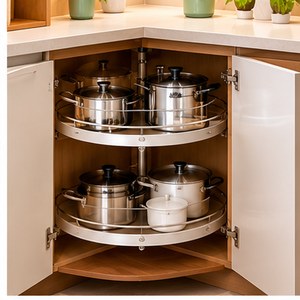
Kitchen corners are often difficult to access and can become wasted space. Instead of leaving them unused, incorporate solutions such as:
- Magic-corner units
- Carousel shelves
- Pull-out corner storage
- Rotating baskets
- L-shaped drawer systems
These solutions allow you to turn difficult corners into practical storage areas.
4. Add a Pull-Out Pantry
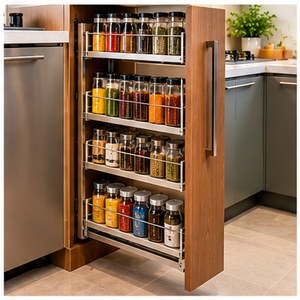
A narrow pull-out pantry can provide surprisingly large storage capacity without taking up much floor space.
It can be used to organize:
- Spices
- Pulses
- Rice and grains
- Packaged foods
- Sauces
- Cooking oils
- Dry ingredients
Transparent containers and labelled sections can make the pantry even easier to manage.
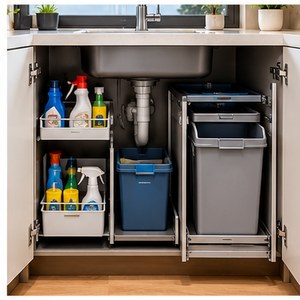
5. Use the Space Under the Sink
The area below the kitchen sink is often underutilized because of the plumbing.
Instead of leaving it empty, install a combination of:
- Pull-out baskets
- Cleaning-supply organizers
- Small shelves
- Waste-bin systems
Keep cleaning products and other non-food items in this area while ensuring that they are safely separated from food storage.
6. Install a Dedicated Spice Storage System
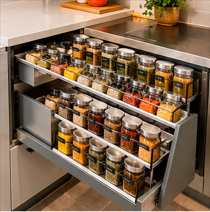
Spices can quickly create clutter when stored randomly.
A slim pull-out spice rack near the cooking area can keep frequently used spices within easy reach. Another option is a shallow drawer with labelled containers arranged in rows.
For Indian kitchens, where a large variety of spices may be used regularly, dedicated spice storage can significantly improve organization.
7. Use the Cabinet Doors
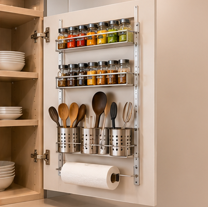
The inside of cabinet doors offers additional storage space that is often overlooked.
You can install slim organizers for:
- Chopping boards
- Measuring spoons
- Foil and cling film
- Cleaning brushes
- Small spice containers
- Kitchen towels
Because these organizers are shallow, they add storage without significantly reducing the cabinet’s usable space.
8. Add a Drawer for Kitchen Waste
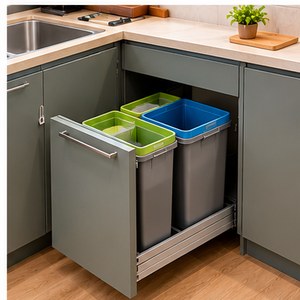
Instead of keeping waste bins visible beside the counter, consider incorporating a built-in waste segregation system below the countertop.
Separate compartments can be provided for:
- Wet waste
- Dry waste
- Recyclables
This keeps the kitchen cleaner while making waste segregation more convenient.
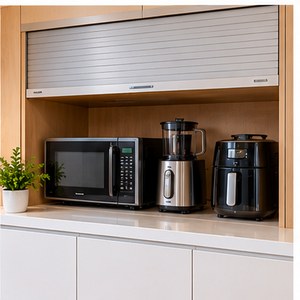
9. Create Appliance Storage
Kitchen appliances can quickly occupy valuable countertop space.
Instead of keeping every appliance outside, create dedicated storage for items such as:
- Mixer grinders
- Toasters
- Air fryers
- Microwaves
- Coffee machines
- Blenders
For frequently used appliances, a lift-up or appliance garage cabinet can provide easy access while keeping the countertop visually clean.
10. Use the Space Above the Refrigerator
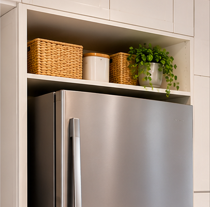
The area above the refrigerator is another opportunity for additional storage.
A cabinet above the refrigerator can be used for items that are not needed frequently, such as large serving dishes, extra kitchen supplies, or seasonal cookware.
Make sure the cabinet is easily accessible and avoid storing excessively heavy items overhead.
11. Install Open Shelves Strategically
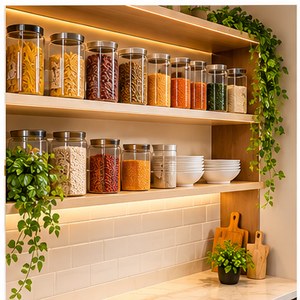
Open shelves can make a kitchen feel more spacious because they create a lighter visual appearance than completely closed cabinetry.
They are ideal for displaying:
- Everyday crockery
- Glass jars
- Decorative items
- Cookbooks
- Plants
However, avoid overcrowding open shelves. Too many items can make the kitchen look cluttered rather than spacious.
12. Use Multi-Functional Kitchen Furniture
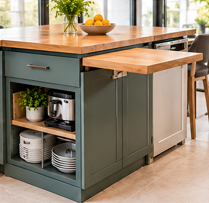
If your kitchen has enough floor space, consider adding a kitchen island or breakfast counter with built-in storage.
The island can include:
- Drawers
- Cabinets
- Open shelves
- Bottle storage
- Seating
- Appliance storage
This allows one piece of furniture to serve multiple purposes while increasing the kitchen’s overall storage capacity.
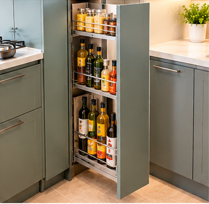
13. Add a Dedicated Bottle Pull-Out
Oil bottles and tall containers can be difficult to organize in standard cabinets.
A narrow bottle pull-out beside the cooking area provides a convenient place to store:
- Cooking oil
- Vinegar
- Sauces
- Tall spice bottles
- Other kitchen liquids
Keeping these items together also makes the cooking zone more organized.
14. Organize Cabinets with Dividers
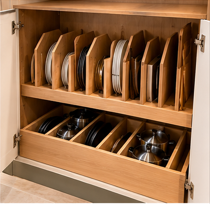
Simply having cabinets does not guarantee good storage. Internal organizers can help divide large spaces into functional sections.
Use dividers for:
- Plates
- Lids
- Trays
- Cutting boards
- Containers
- Baking accessories
Adjustable dividers are especially useful because they can be modified as your storage requirements change.
15. Use Uniform Containers
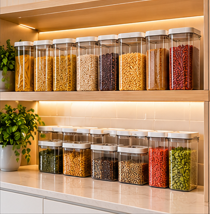
Food containers of different shapes and sizes can waste valuable cabinet space.
Using stackable, uniform containers helps maximize vertical storage and makes it easier to see what you have.
Clear containers can also help you quickly identify ingredients without opening multiple boxes.
16. Plan Storage According to Kitchen Zones
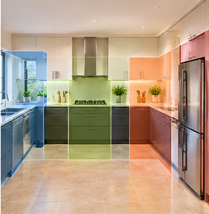
One of the most effective ways to maximize kitchen efficiency is to organize storage according to work zones.
Cooking Zone
Keep spices, oils, pans, and cooking utensils close to the stove.
Preparation Zone
Store chopping boards, knives, mixing bowls, and preparation tools near the main countertop.
Cleaning Zone
Keep cleaning products, waste bins, and dishwashing accessories around the sink.
Storage Zone
Store groceries, containers, and dry ingredients in pantry cabinets.
This approach reduces unnecessary movement while cooking and makes the kitchen easier to use.
17. Don’t Forget the Small Spaces
Even narrow gaps can become useful storage areas with the right planning.
Consider using slim pull-outs in spaces between:
- Cabinets
- Appliances
- Walls
- Refrigerator units
A few inches of unused space can become valuable storage for bottles, trays, or cleaning supplies.
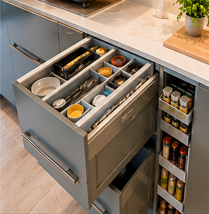
18. Plan Storage Before Kitchen Construction
Good storage begins during the kitchen design stage, not after the kitchen is completed.
Before finalizing the layout, consider:
- The number of people using the kitchen
- Cooking habits
- Appliances you own
- Amount of cookware
- Grocery storage requirements
- Preferred cabinet heights
- Accessibility requirements
- Future storage needs
A well-planned kitchen can provide significantly more usable storage without necessarily increasing its overall size.
Final Thoughts
Maximizing kitchen storage is about smart planning rather than simply adding more cabinets. Vertical storage, pull-out units, corner solutions, organized drawers, dedicated appliance spaces, and well-planned kitchen zones can transform even a compact kitchen into a highly functional space.
When designing a new home, kitchen storage should be considered alongside the overall floor plan, electrical planning, plumbing, ventilation, and interior design. This ensures that the kitchen looks beautiful while also working efficiently for everyday life.
A well-designed kitchen doesn’t just store more—it makes everyday cooking easier.
FAQ’s
1. How can I maximize storage in a small kitchen?
Use vertical cabinets, pull-out drawers, corner storage, overhead cabinets, and wall-mounted shelves. Making use of unused vertical and corner spaces can significantly increase storage without expanding the kitchen.
2. What is the best storage solution for a compact kitchen?
Pull-out storage, deep drawers, tall cabinets, and modular organizers are highly effective for compact kitchens. They make better use of limited space while keeping frequently used items accessible.
3. How can I use kitchen corners for storage?
Install solutions such as carousel units, magic-corner systems, rotating shelves, or corner drawers. These make otherwise difficult-to-access corners more functional.
4. Are kitchen drawers better than cabinets for storage?
Drawers can be more convenient for items such as utensils, cookware, plates, and containers because they provide easier visibility and access. A combination of drawers and cabinets usually works best.
5. How can I organize spices in a small kitchen?
Use a dedicated pull-out spice rack, shallow spice drawers, or wall-mounted organizers. Keeping spices close to the cooking area makes them easier to access while preparing food.
6. How can I maximize storage under the kitchen sink?
Use pull-out baskets, small shelves, and organizers designed around the plumbing. This space can be used for cleaning supplies, waste bins, and other non-food items.
7. How can I reduce countertop clutter?
Store appliances that are not used daily inside dedicated cabinets. Built-in appliance storage, tall units, and drawers can help keep the countertop clear.
8. Are open shelves a good idea for kitchen storage?
Yes. Open shelves can make a kitchen feel more spacious and provide easy access to frequently used items. However, they should be kept organized to avoid a cluttered appearance.
9. How can I store kitchen appliances efficiently?
Create dedicated appliance cabinets or storage zones based on how frequently each appliance is used. Frequently used appliances can remain accessible, while occasional-use appliances can be stored in tall or overhead cabinets.
10. How can I make kitchen cabinets more organized?
Use adjustable dividers, drawer organizers, pull-out baskets, stackable containers, and shelf organizers. Grouping similar items together also makes it easier to find what you need.
11. How can I use vertical space in my kitchen?
Install tall cabinets, overhead storage, open shelves, and wall-mounted racks. Vertical storage is particularly useful in kitchens where floor space is limited.
12. What should I consider when planning kitchen storage?
Consider your cooking habits, number of users, appliances, cookware, grocery requirements, available space, and future storage needs. Planning these factors before construction or interior work can create a more functional kitchen.
13. How can I maximize storage in an Indian kitchen?
Use dedicated storage for spices, grains, pulses, oils, cookware, pressure cookers, and serving vessels. Deep drawers, pull-out units, tall pantry cabinets, and bottle racks can be particularly useful.
14. Can a kitchen island provide additional storage?
Yes. A kitchen island can include drawers, cabinets, open shelves, bottle storage, and appliance storage. It can provide additional storage while also functioning as a preparation or dining area.
15. Why is kitchen storage planning important during home construction?
Planning storage during the design stage allows cabinets, electrical points, plumbing, appliances, and work zones to be coordinated properly. This helps create a kitchen that is both attractive and practical.